Is TikTok Over?
And how exactly this could impact music artists

Social media juggernaut TikTok has stayed a talking point since its founding in 2016, mostly due to its huge growth in popularity since 2019 and a steadily growing market share. Over 1 billion people use the app, making it the 4th most popular social media platform in the entire world; the top 3 spots include Meta owned Facebook and Instagram at 1st and 3rd respectively, whilst Google owned YouTube ranks 2nd.
However, since the start of 2024, the trailblazing innovators have found themselves the centre of attention for very different reasons. On the 30th of January Universal Music Group (UMG), home to household names such as Taylor Swift, The Weeknd, BTS, Olivia Rodrigo and Billie Eilish, published an open letter stating that due to failed contract renegotiations centred around concerns over royalties and AI it would be taking all of its artists music off of the platform. This is likely to be quite a substantial amount, since they hold a 37.5% market share in the music industry. On top of this, the House of Representatives voted to approve a bill on the 13th of March that would force TikTok’s majority shareholders ByteDance to sell the app to non-Chinese owners in order to continue to operate in the USA, alleging (perhaps hypocritically) concerns around national security and user data privacy.
As I mentioned in my previous blog, TikTok is perhaps the most essential tool for promoting music at the current moment with countless artists being launched into stardom by their sudden virality. Even industry veterans, such as Billboard 2010s artist of the decade Drake, have tried to utilise the platform to their advantage. With all the ongoing tensions surrounding TikTok, how will this impact musicians and will all artists be impacted equally?
How Much Does TikTok Need Universal?
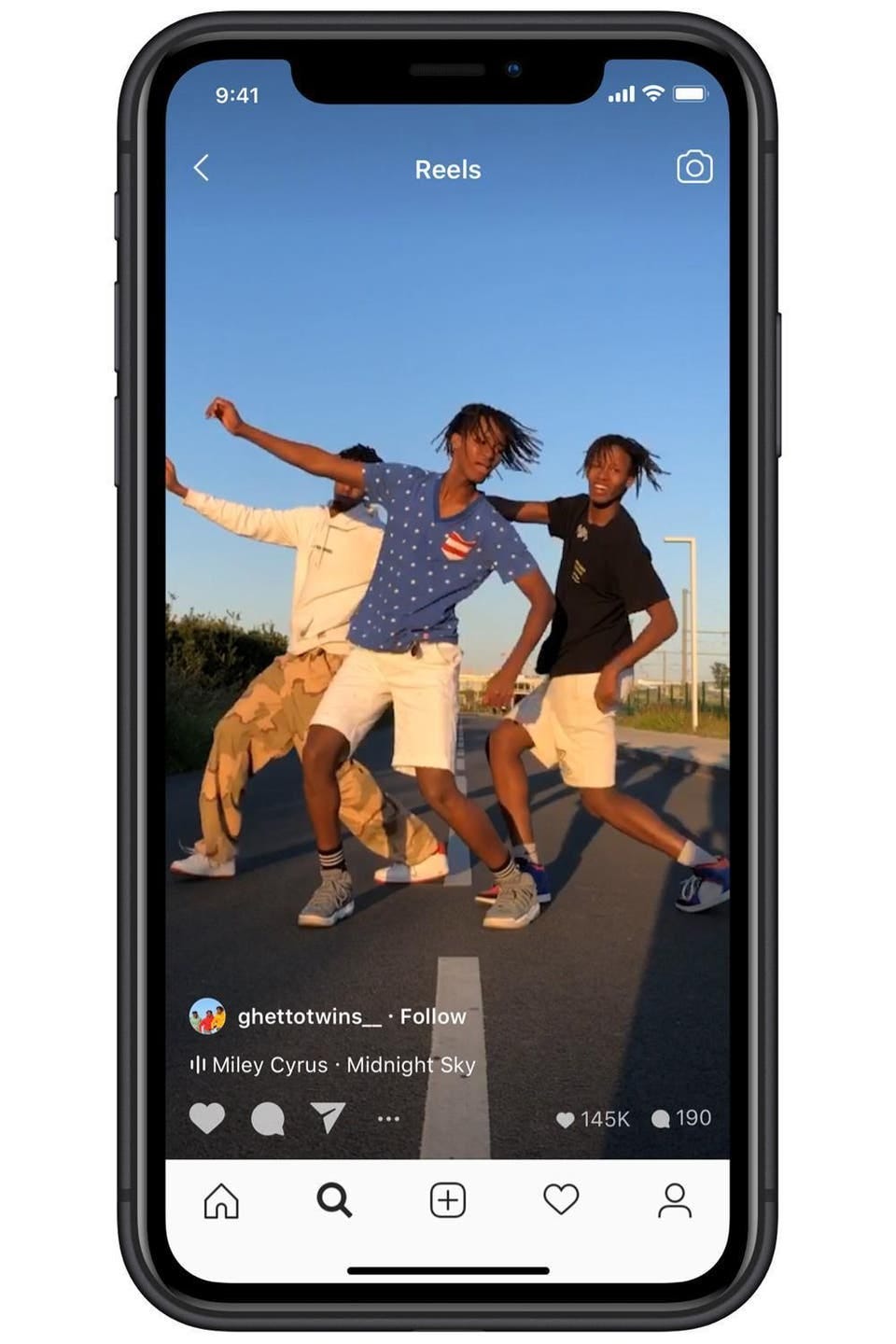
It is undeniable that TikTok relies heavily on music artists to draw customers, with 85% of the videos on the platform containing music in 2023. This is almost 15% increase from 2019, suggesting an increase in the importance of music on the platform as it continues to develop and become bigger. This makes sense considering the platforms USP being that users create short video content centred around user generated ‘Sounds’ in a way that is completely different to Instagram, who in turn saw the potential in short form content and released Instagram Reels in August 2020 to compete. YouTube has also followed suit, introducing similar a function.
Although TikTok claims that it has not been impacted by the removal of 3 million UMG tracks, a recent survey suggests that 1/4 of those interviewed will be less likely to use the app now that a significant amount of music has been removed. Though I cannot guarantee the validity of this survey or whether people actually did subsequently stop using TikTok, there is evidence from ByteDance themselves that there could be a substantial impact.
TikTok ran a test in Australia during March 2023 limiting user’s access to songs for 3 weeks in an attempt to find out how much users cared about music being available on their platform. They found that there was a sharp decline in users during those weeks, drawing widespread criticism from both users and content creators. One content creator mentioned that 57% of her content was muted and that in cases where her music had an independent license providing her a legal right to use music in her videos it was difficult to “respond to the ‘violation’ and provide [proof]”.
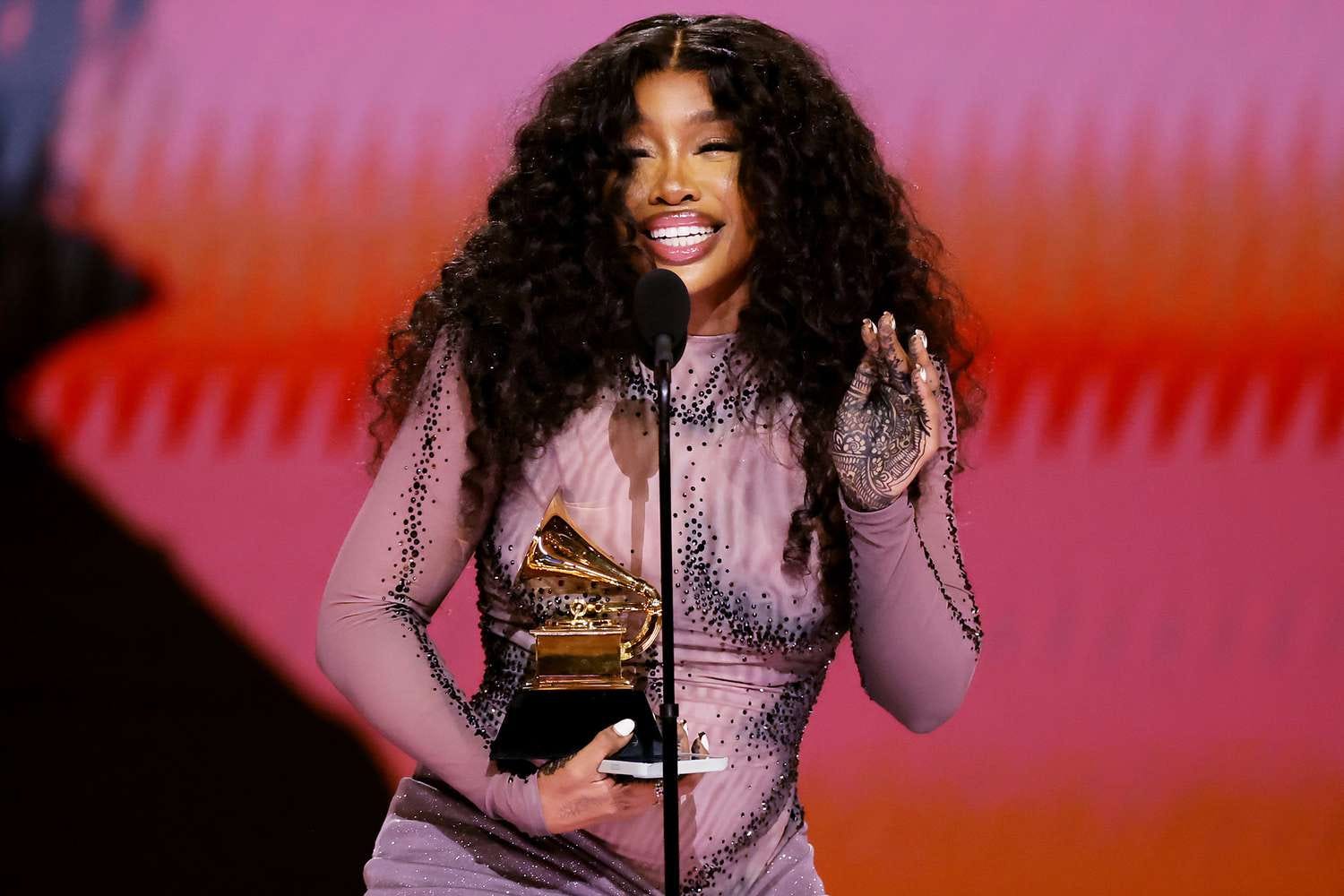
There could be even further impacts to TikTok given that Universal is also removing songs published by Universal Music Publishing Group (UMPG). This includes muting songs written by multiple people all signed to separate labels even if just 1 of them is signed signed under Universal’s Publishing wing. In practical terms, artists signed to non-Universal Labels, such as SZA who is signed to TDE (who manage her) and RCA (who distribute her music to fans), will have her music removed as she is published by UMPG (they collect her royalties as a songwriter and performer). To give you an idea of the potential impact, around 52% of the biggest hits on the Billboard 100 in the 3rd financial quarter of the year were from Universal Published songwriters. All these Universal affiliated songs have now been removed.
TikTok claims that only 30% of ‘relevant repertoire’, aka the most popular music on their platform, has been removed after Universal’s withdrawal but there is evidence that suggests this may be much greater. One industry outsider suggested it may be “up to 80%”. Though there are of course millions of songs still available to use, this is a significant gap in the market. It’ll be interesting to see how exactly TikTok fares without Universal in the future, given that up until this point they have been so reliant on Universal affiliated artists drawing in customers.
Perhaps in 2024 TikTok is large enough to not rely on Universal, with the void being filled by other labels … or perhaps by independent artists.
The Table’s Have Turned
The gap Universal has left in TikTok’s music selection represents a serious opportunity for independent and upcoming artists to capitalise upon. This might lead to the status quo of major label dominance that has been perpetuated into the streaming era finally being challenged.
Ediz Ozelkan, a media studies lecturer at the University of Colorado Bouldor, conducted extensive research regarding the inequality that persists between different tiers of musicians. It is true that there are fewer roadblocks to musicians releasing music due to how easy it is to upload and promote music online, reflected in how there was an 85.3% in the amount of music composers (songwriters, producers etc.) in the USA between 1999 and 2022 as per the Bureau of National Statistics. However, most of the “outsize gains” in wages have gone to “the top 10% of music professionals”. In effect, the average wage gain rises as you go up the ladder; the positive impacts created by music stream have not been universal.
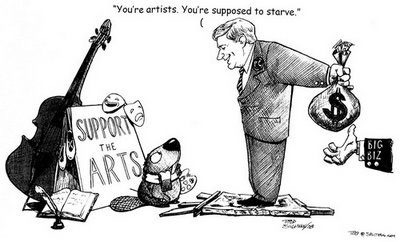
Some of the reasons for this stem from the fact that streaming just does not compensate artists fairly, something I have discussed in depth in a previous blog post about Digital Streaming Platforms. This forces artists to rely upon touring and playing gigs to survive, with larger, more established artists (often signed to major labels) having greater resources to put on lucrative tours by leveraging the artist’s brand. In effect, there are way more people making music today but a greater proportion of them will never earn any money from their music alone and will have to put in a lot of effort to monetise their live performances.
For the first time since the advent of the internet, there’s a chance for upcoming artists to change this narrative and democratise the music industry.
Carpe Diem (Seize the Day)

Now, here’s how you as an upcoming music artist can capitalise on Universal’s withdraw from TikTok. There’s a huge demand for music content to be used as sounds on TikTok videos due to all of the alienated fans losing access to many of their favourite artists. I have been seeing some great examples of it recently, such as by “House of Lazarus” a talented Warwick based duo consisting of instrumentalist and singer Lucien Goring and Hip-Hop artist Cosmos Zero.
The campaign for their recent catchy, upbeat song “This Life” consists of dozens of short videos being posted onto TikTok (as well as Instagram). Many of them involve the pair performing the song in a comedic, eye-catching manner in a style reminiscent of the Band “Rizzle Kicks”. They had racked up 1000s of views before the song had even been officially released at the end of January. Their single currently has over 10,000 streams and through their consistent and creative promotion campaign their song has gained traction on local West Midlands radio stations, exposing them to a whole new audience outside of the social media space. They have even landed an interview on BBC Introducing, a platform which supports unsigned, undiscovered UK music talent.
By taking advantage of the gap that UMG left on TikTok, they have been able to promote their music and create a strong online identity that fans can gravitate towards. This identity, which in marketing terms can be described as their brand, is what gets fans to come to shows and see them perform in person. In recent weeks they have announced they will go on a four-stop UK tour and are performing at Kendall Calling in August, a relatively large festival based in the Lake District (headliners in this festival include Noel Gallagher, former member of Oasis). With the support of paying fans, they can start to create a real career out of this, and truly turn the tide against the major label system.
The Elephant in The Room

I briefly mentioned in the introduction that there is the looming threat of the US banning TikTok if its Chinese parent company, ByteDance, does not sell the shares to a non-Chinese owner. In a worst case scenario where TikTok does get banned, this will directly impact all US based users. Unlike the UMG withdrawal, which presents an opportunity for independent artists, this would negatively impact the entire music industry, let alone any content creator. It’s extremely likely that even creators outside of the States will be impacted, given that the USA is such a large audience on the app.
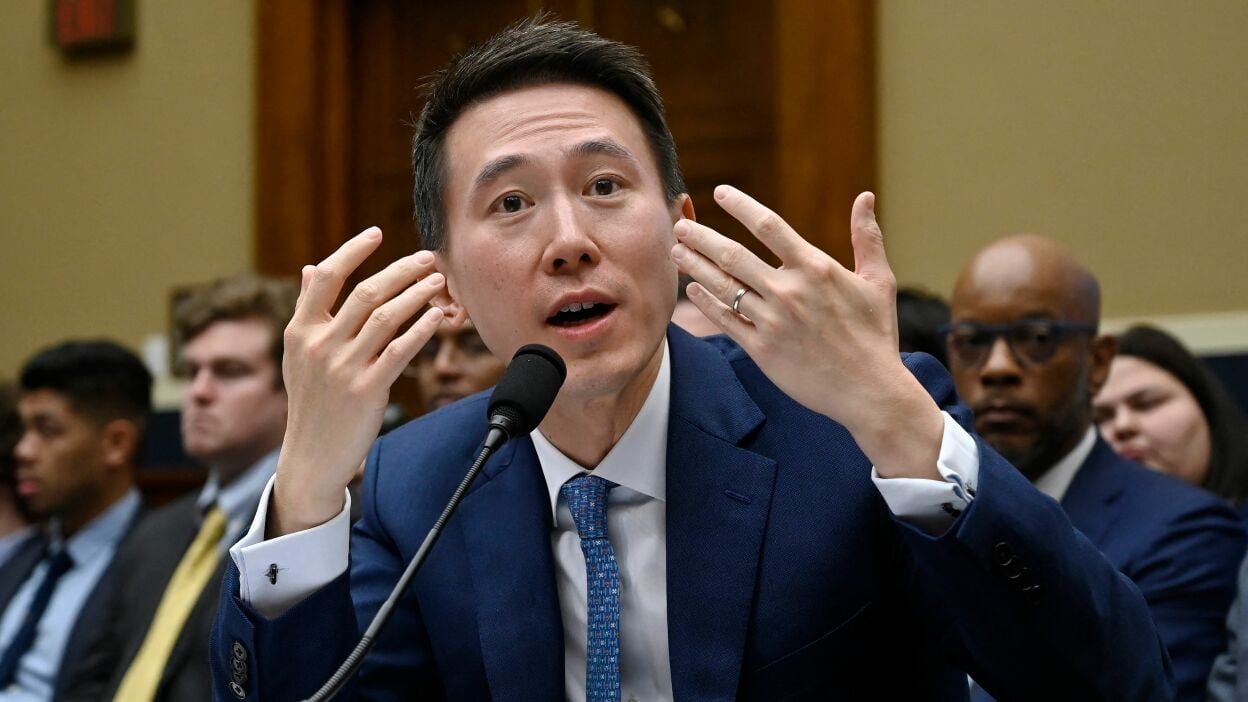
It’s a no brainer that TikTok allows for artists to easily promote their music, with one up and coming musician describing it as “a really great way to start off the initial growth” as people “learn who you are” not just within your home country but across the world. There are countless examples of artists going from just a few followers to thousands after finding the success on the app. A recent pop-up that has been sent to US users within the app stated that the decision would "damage millions of businesses, destroy the livelihoods of countless creators across the country, and deny artists an audience". TikTok’s CEO, Shou Chew, has also been very vocal about how this could have potential impacts for content creators (as well as arguing that it may potentially suppress freedom of speech under the American 1st Amendment Right, though from a legal perspective this 2nd argument will be difficult to prove).
Despite the threat a TikTok ban represents, it is worth noting that the bill, though approved by the American House of Representatives, is yet to be enacted into law. On top of this, there are practical difficulties in banning TikTok as VPNs can easily surpass geographical content blocks. Furthermore, ByteDance would have 165 days (effectively 5 months), to find a suitable buyer and sell TikTok. Any impacts of the decision will be felt at earliest in August 2024. This gives content creators some time to start building fanbases and followers outside of TikTok and on other platforms before any potential ban, like Instagram, Twitter and YouTube.
Final Words
It will certainly be interesting to see the politically influenced TikTok ban saga plays out and whether Universal and TikTok will come to an agreement. The main takeaways for music artists in this scenario is to make the most out of the gap that UMG has left on TikTok by consistently promoting your music, whilst also not putting all your eggs into one basket. TikTok ban aside, it is important to diversify how you promote your music and keep thinking outside the box. It is always possible that a platform just stops being popular at some point, so it’s essential to have a fallback plan just in case.